The Cost of Creation: Ubisoft Defends Assassin’s Creed Shadows Microtransactions as the Key to More Free Content
Ubisoft's Defense: The Assistant Game Director for Assassin’s Creed Shadows, Simon Lemay-Comtois, defended microtransactions by stating they are essential to fund the development of major free content and technical updates, such as "the Isu stuff, the quest stuff, the parkour updates, all of it." Financial Importance: Microtransactions and "Player Recurring Investments" (PRIs) are hugely profitable for Ubisoft, generating a significant revenue stream that financially outweighs traditional digital game sales. Content Balance: Despite the high cost of cosmetic items in the in-game store (around $10–$20 USD per set), Ubisoft has balanced the monetization by releasing substantial free content, including a major Attack on Titan crossover and new story quests, for all players.
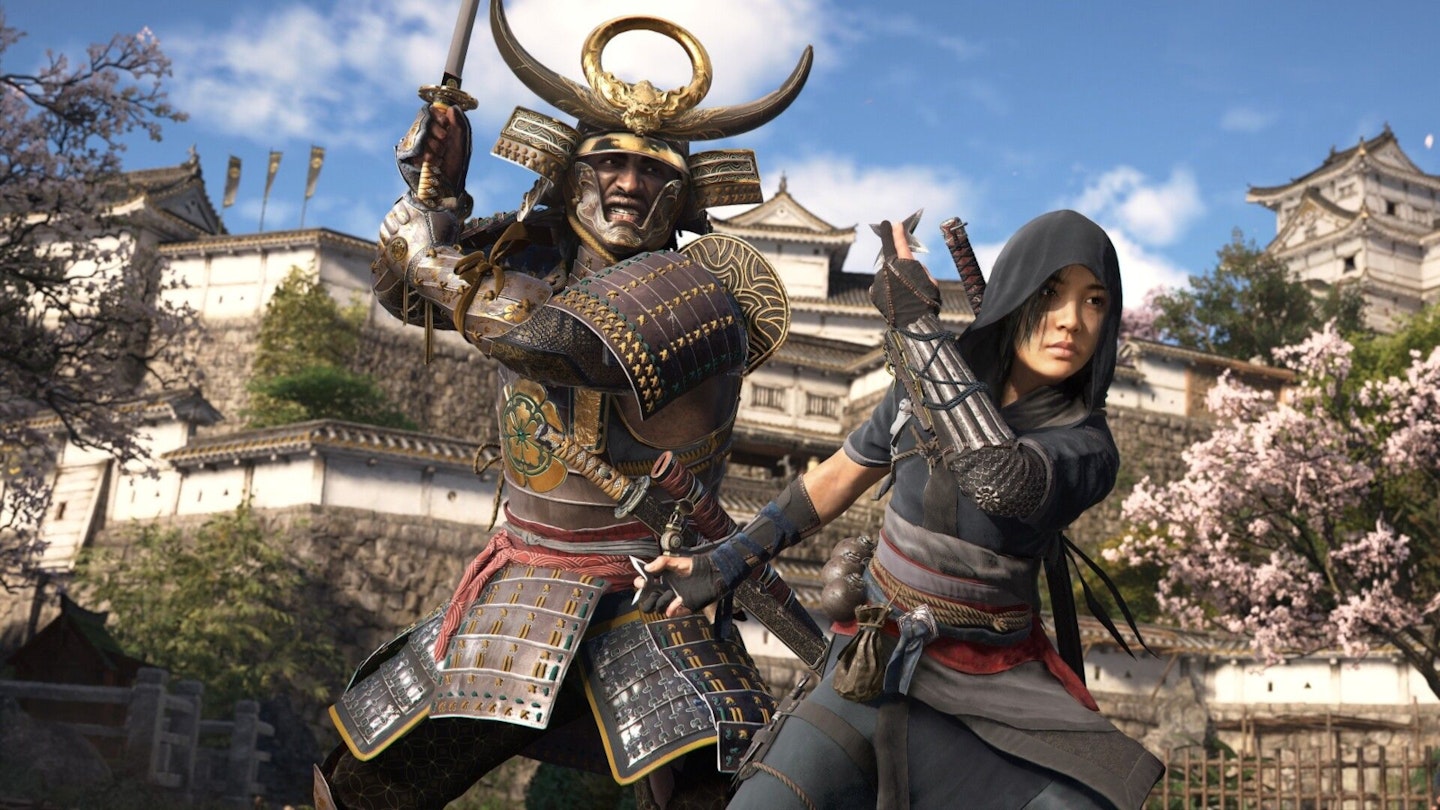
Microtransactions (MTX) remain one of the most polarizing issues in modern gaming, and few companies feel the heat more than Ubisoft. With the recent release of the commercially successful Assassin’s Creed Shadows, the conversation has reignited, prompting a defense from the development team. In a recent discussion with Access the Animus, Simon Lemay-Comtois, the Assistant Game Director for Assassin’s Creed Shadows, directly addressed the controversial inclusion of in-game purchases. His response positioned microtransactions not as a necessary evil, but as a vital engine for development. According to Lemay-Comtois, the revenue generated by these purchases is directly what "allows us to do the Isu stuff, the quest stuff, the parkour updates, all of it." Essentially, the ability to sell optional cosmetics frees up the development budget and capacity to continue supporting the core game with substantial, high-quality, and, crucially, free updates. The Business of Player Recurring Investment This sentiment aligns perfectly with Ubisoft’s broader corporate strategy. CEO Yves Guillemot has previously defended microtransactions as a way to "make the experience more fun" by allowing players to quickly progress or customize their experience. The financial data underscores why this model is so important to the company. Ubisoft has openly acknowledged that revenue from "Player Recurring Investments" (PRIs)—a category encompassing DLC, loot boxes, and MTX—often generates more income than digital game sales themselves. In fact, reports show that PRIs climbed significantly, reaching €475.3 million in the first half of 2025 alone. The items fueling this revenue—such as cosmetic armor sets in the Assassin’s Creed Shadows in-game store—are often priced between $10 and $20 USD. While optional, these purchases quickly add up, creating a massive, reliable revenue stream that significantly outweighs the initial cost of the $69.99 base game. The Argument for Free Value While players often miss the days when all in-game content was unlockable through achievements, Ubisoft is attempting to strike a balance by providing substantial post-launch content at no extra cost. Assassin’s Creed Shadows has already received a wave of free content, including: Major Crossovers: A surprising, full-fledged collaboration with Attack on Titan that introduced a new story, free hideout customizations, and an in-game crystal katana. Story Drops: New story missions, like the humorous "Puzzlement" quest, that enrich the gameplay experience for all players. Accessibility: Making the "Thrown to the Dogs" pre-order mission free for the entire community. For now, Ubisoft is walking a tightrope: relying on optional, cosmetic microtransactions to fund the development of free, game-enriching content. For the player base, the compromise seems to be this: tolerate the Helix Credit store, and in return, the world of Assassin’s Creed will continue to expand without requiring an additional season pass purchase. Whether this trade-off is sustainable in the eyes of the consumer remains the central debate.